The Hidden Agony Behind the Smile: How a Famous 62-Year-Old TV Dance Judge Kept a Heartbreaking Secret for Decades

My people, there is a popular saying that when you see a beautiful house from the outside, you never truly know where the roof is leaking until you step inside. We live in a fast-paced era where social media and television constantly feed us images of perfection. We see our favorite celebrities, entertainers, and television personalities living what looks like the ultimate dream. They smile under the bright studio lights, they wear the most expensive outfits, and they project an aura of absolute confidence. But what happens when the cameras stop rolling? What happens when the makeup comes off and the director shouts “Cut!”?
Recently, a massive shockwave hit the entertainment world when a beloved 62-year-old television personality—a man widely known as the most explosive, joyful, and energetic judge on a massively popular reality dance competition—finally decided to drop his mask. For decades, this prominent entertainer was the life of the party. He was the one who brought the loud cheers, the exaggerated gestures, and the pure, unadulterated joy to millions of viewers who tuned in every weekend. Yet, behind this carefully constructed persona of a solar, indestructible figure, hid a deeply rooted pain and an agonizing secret that nobody in the industry ever suspected.
At 62 years of age, this veteran dancer and television icon decided that he could no longer live a lie. In a deeply emotional public revelation and a recently published autobiography, he broke a silence that had haunted him since childhood. The horrible truth? He has suffered from severe dyslexia all his life.
Now, to the ordinary person, dyslexia might just sound like a simple reading issue. But imagine navigating the high-stakes, fast-moving world of live television with a severe learning difficulty. In an industry that demands absolute perfection, where scripts are handed out minutes before a broadcast, and where reading a teleprompter flawlessly is the bare minimum requirement, his daily work life was a silent psychological torture. He confessed to the terrifying anxiety of misreading a prompter, the mental exhaustion of trying to decipher texts, and the sheer panic of pretending to understand written instructions while his brain scrambled the letters. For years, he lived in constant fear of being exposed, ridiculed, and stripped of his hard-earned position.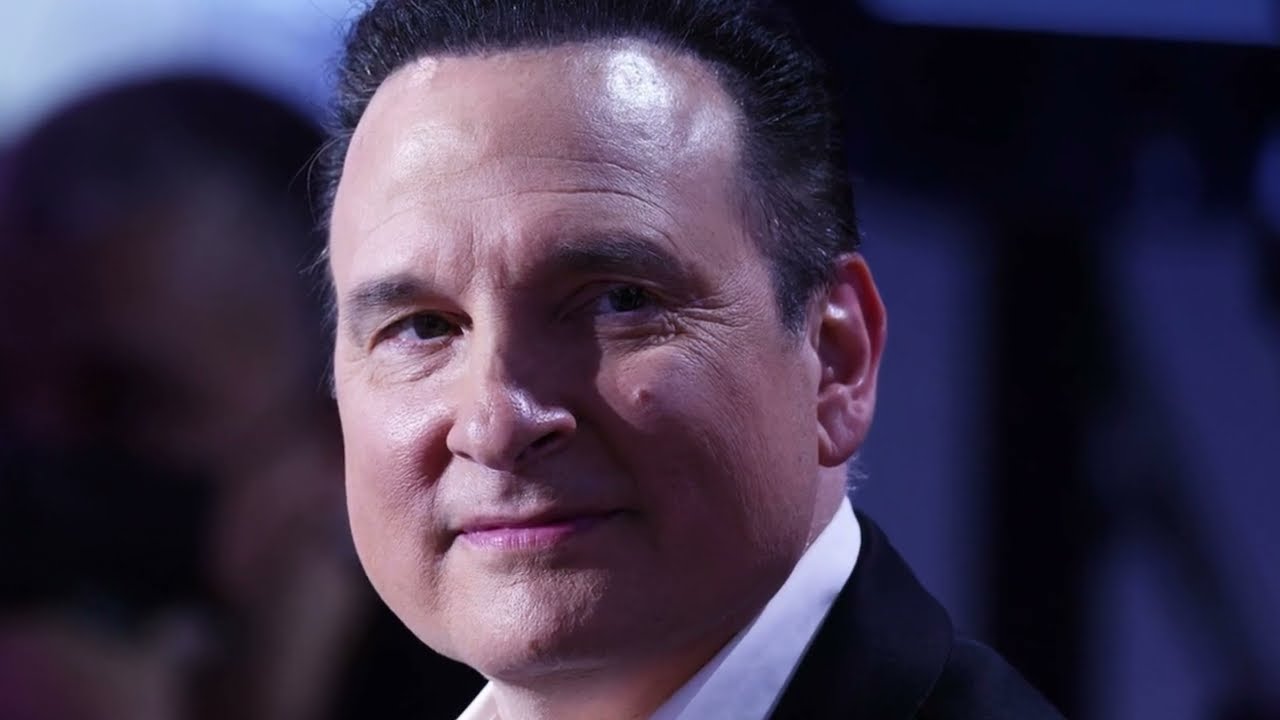
His childhood was the origin of this deep-seated trauma. Growing up as the youngest in a large family, he always felt different. In school, while other children easily grasped reading and writing, he found himself staring at pages that made absolutely no sense. He endured the harsh judgments, the whispering from classmates, and the crushing feeling of inadequacy that slowly fractured his self-esteem. Back in those days, society did not understand invisible learning disabilities. You were either deemed brilliant or lazy.
Because words had failed him, he desperately needed another way to communicate. This is exactly where his intense passion for dance was born. Dance became his ultimate refuge, a safe haven where nobody asked him to spell a word or read a paragraph. Through movement, his body could articulate the profound emotions that his mouth and pen could not. Every step, every spin, and every choreographed routine became a loud, defiant statement of his worth. He poured all his frustrations and his silenced voice into his art, eventually rising to become an internationally recognized professional dancer and a prominent judge on television.
However, professional success did not magically erase his personal struggles. In his newly released book, the veteran entertainer did not just stop at his battle with dyslexia; he opened the doors to the deepest, most painful parts of his private life. He spoke candidly about his family, the immense love for his longtime partner, and the terrifying realities of fatherhood.
In a revelation that would break the heart of any parent, he discussed the severe, incurable illness of his beloved daughter. This is where the illusion of celebrity truly shatters. We often think that fame and wealth can build an impenetrable fortress around a person, but sickness does not care about your bank account balance or your television ratings. Facing his child’s daily suffering, this larger-than-life television star found himself completely powerless. No amount of international recognition or standing ovations could heal his daughter. He experienced the deep, isolating loneliness and the crushing helplessness that many parents of sick children endure in silence. He admitted that standing on a glamorous stage, shouting with joy for the cameras while his heart was literally breaking at home, was one of the most agonizing performances of his life.
Interestingly, this profound journey through personal trauma and vulnerability has drastically changed how he handles his professional life, particularly when dealing with critics. Recently, the hit dance show he judges faced severe backlash from industry purists. Professional dancers publicly mocked the television program, claiming it lacked strict traditional technique, relied too much on flashy acrobatics, and abandoned the authentic rules of ballroom dancing.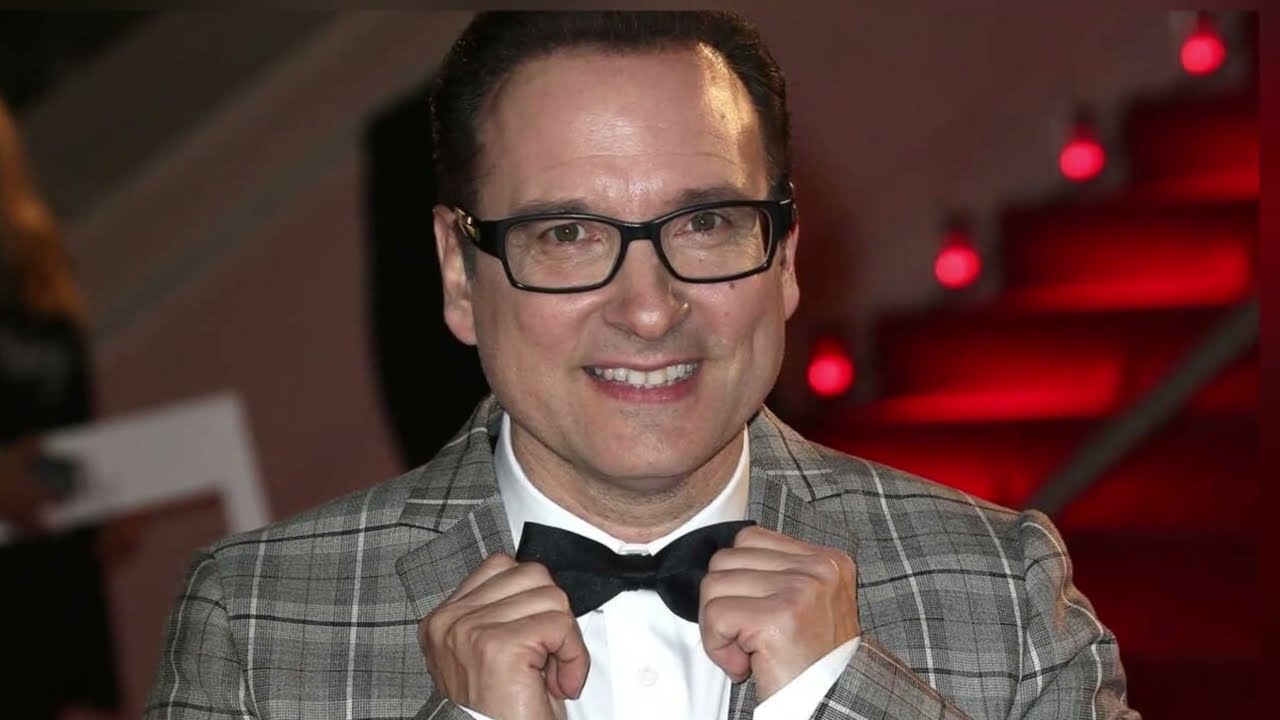
In the past, such harsh criticism might have triggered his deep-seated childhood insecurities. It might have made him feel defensive, reminding him of the days when he was told he wasn’t good enough. But at 62, having survived the silent torment of dyslexia and the heartbreaking reality of a sick child, his perspective on life has completely transformed. Instead of engaging in a bitter public clash, his response was a masterclass in wisdom.
He calmly explained that the reality television show is not an academic examination or a rigid sporting event; it is a spectacular, emotional entertainment designed to bring joy to ordinary people. He argued that a technically imperfect dance that brings a viewer to tears is infinitely more valuable than a cold, flawless routine that leaves the heart empty. He passionately defended the celebrities on the show who, despite having no prior dance experience, courageously push their bodies and bare their souls on the dance floor. Through his own life experiences, he learned that perfection is an absolute myth. Life itself is deeply flawed, messy, and unpredictable, and art should reflect that exact reality.
Today, this iconic entertainer is no longer trying to prove anything to anyone. He has stopped fighting against his own nature. By speaking openly about his dyslexia, his family’s painful struggles, and his unapologetic views on art, he has transitioned from a mere television character into a profoundly relatable human being. He did not share his story to beg for pity; he shared it to claim his freedom.
His journey serves as a powerful reminder to all of us navigating the pressures of modern society. We spend so much energy hiding our flaws, covering up our financial struggles, masking our family issues, and pretending that we have it all figured out. But the truth is, true strength does not lie in projecting a fake image of perfection. True strength is having the courage to stand up, look the world in the eye, and say, “This is who I am, flaws and all, and I am still worthy of love and respect.” In a world that constantly demands us to be flawless, choosing to be brilliantly imperfect is the ultimate victory.